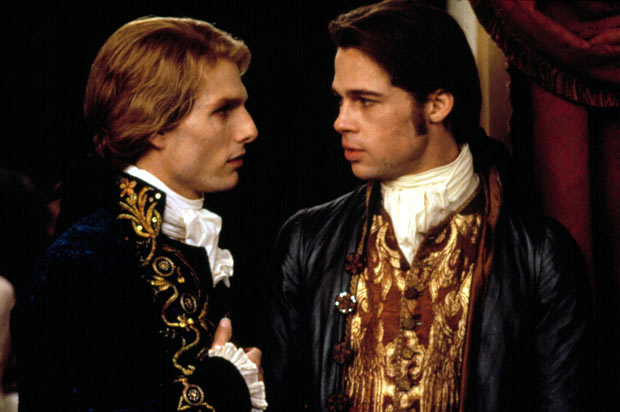
I recall at some point reading commentary by some Twitter peers to the effect of “we moderns have lost sight of the fact that sin takes a physical toll on the body.” This was probably accompanied by a picture of some hated politician.

Now this isn’t to say that sinful behavior doesn’t ever lead to physical ruin. Excess and vice can certainly devastate one’s health, and at its core evil is a truly ugly thing. Villains are often foul-looking and run down to portray this.
 But not always.
I was just thinking about this as I have recently begun reading Lloyd Alexander’s first Prydain book, and very early on the young protagonist encounters a dashing and famous adventurer-prince. The boy is initially incredulous and shocked by the prince’s ragged appearance and is gently admonished for judging by such criteria.
This reminded me also of Frodo and Sam’s early meeting with Aragorn:
At last Frodo spoke with hesitation. ‘I believed that you were a friend before the letter came,’ he said, ‘or at least I wished to. You have frightened me several times tonight, but never in the way that servants of the Enemy would, or so I imagine. I think one of his spies would — well, seem fairer and feel fouler, if you understand.’
‘I see,’ laughed Strider. ‘I look foul and feel fair. Is that it? All that is gold does not glitter, not all those who wander are lost.’
When it comes to storytelling, the ugly villain is an easy device to wield. But things are rarely ever so simple. And so when you or your readers encounter an ugly old man, you would do well to ask yourself whether his appearance is the wage of sin, the natural ravaging of Time, or an unlucky draw from the gene lottery.

And is that beautiful princess therefore a vessel of virtue, just because she’s super hot?

Just some food for thought.


Leave a Reply